Aug 20, 2026Buying Guides
Custom Stationery Quality Control: A Practical Checklist for Importers
Use this practical checklist to review samples, materials, functions, printing, packaging and final inspection before placing a custom stationery order.
When buyers evaluate a custom pencil case or writing tool, the visible design is only part of the decision. A product can look impressive in a sample and still create problems if materials vary, moving parts fail, printing rubs off or packing is inconsistent. For importers, distributors and promotional-gift companies, quality control should therefore begin with the product brief and continue until cartons are ready to ship.
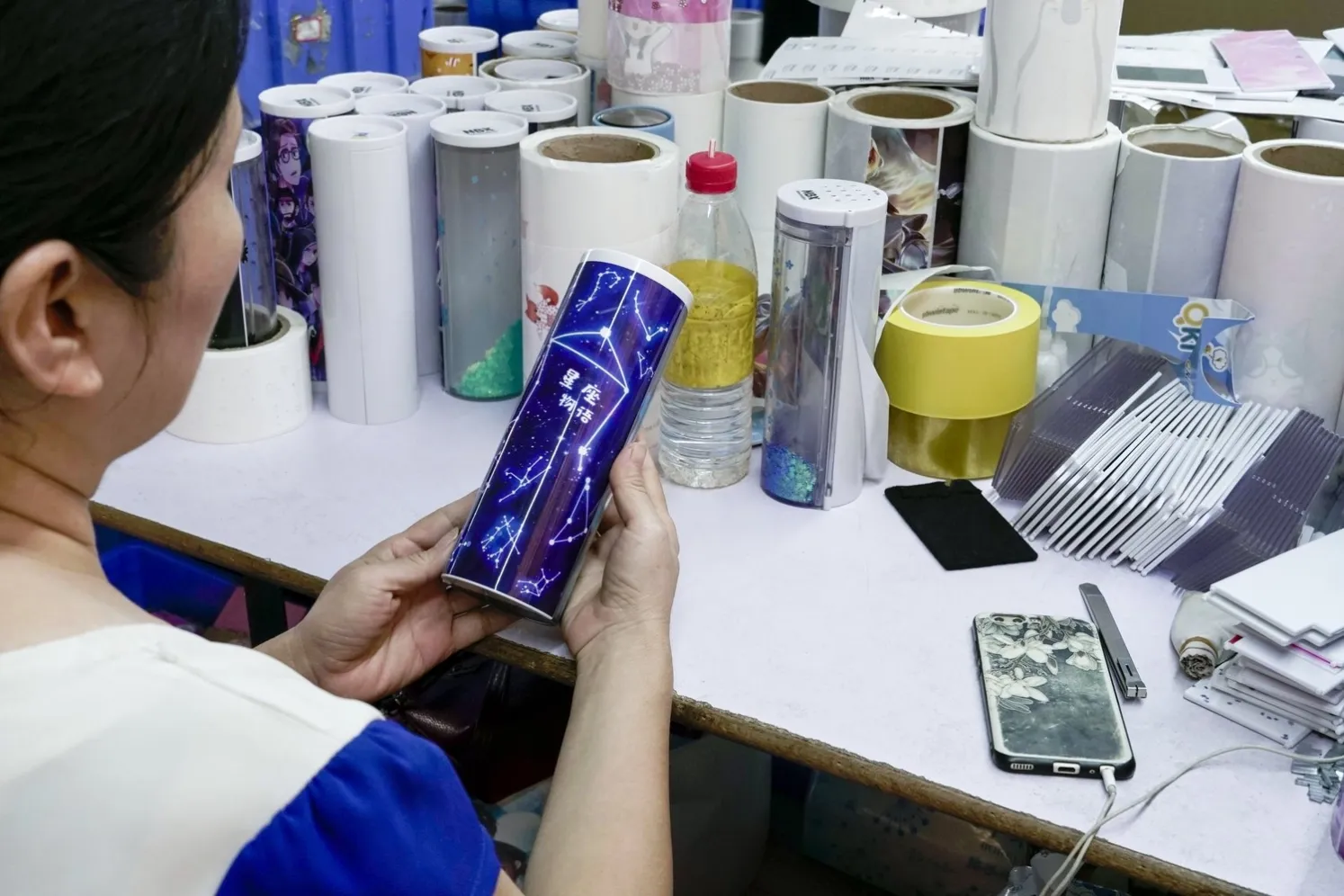
At Aura Craft World, the NBX product and manufacturing team in Dongguan develops creative and functional student stationery for international customers. The checklist below reflects the practical questions buyers should settle before approving a custom stationery order.
DEFINE THE QUALITY STANDARD BEFORE SAMPLING
Quality is difficult to control when it has not been clearly defined. A useful product brief should state the intended user, destination market, dimensions, materials, colours, functional requirements, logo method, packaging format and any market-specific testing needs. These details turn a general idea into measurable requirements.
Once the sample is approved, keep one signed or clearly documented “golden sample” as the reference for production. Record any accepted colour range, material finish or small tolerance in writing. This prevents the sample, production team and buyer from working toward different versions of the same product.
CHECK MATERIALS AND CONSTRUCTION
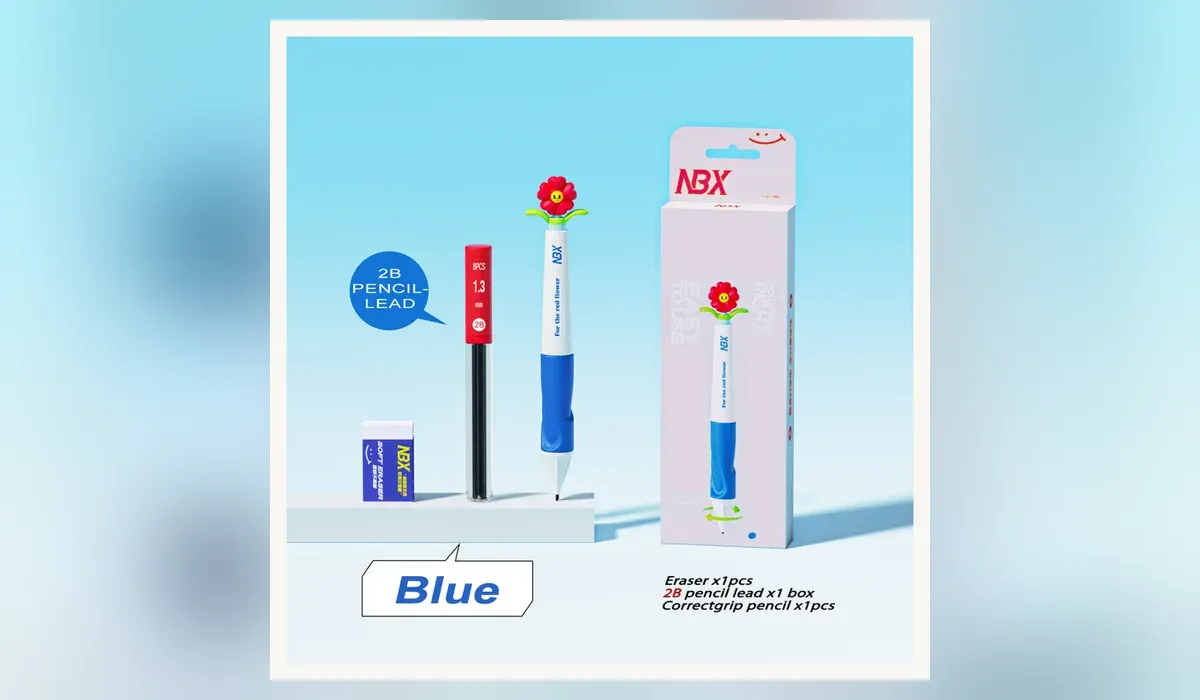
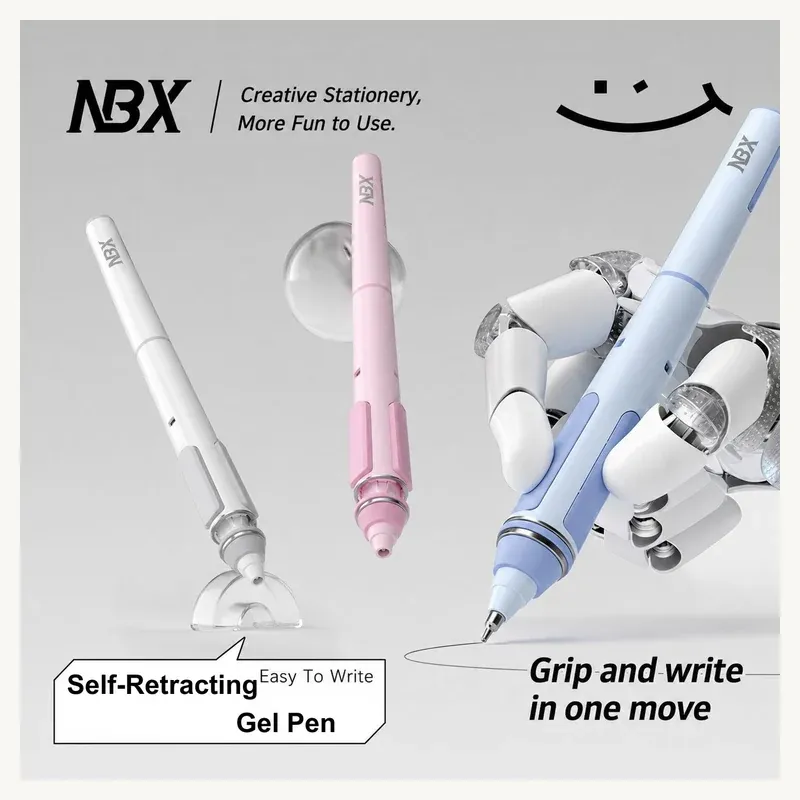
The right material depends on the product and how it will be used. For a pencil case, buyers may need to review the outer shell, lining, hinges, magnets, zippers, trays and decorative parts. For writing tools, the grip, refill, clip, mechanism and surface finish may be more important.
Do not review materials only by appearance. Check thickness, feel, odour, edge treatment, colour consistency and resistance to normal handling. When a product is intended for students, comfortable edges and secure small components deserve particular attention.
TEST EVERY FUNCTIONAL FEATURE
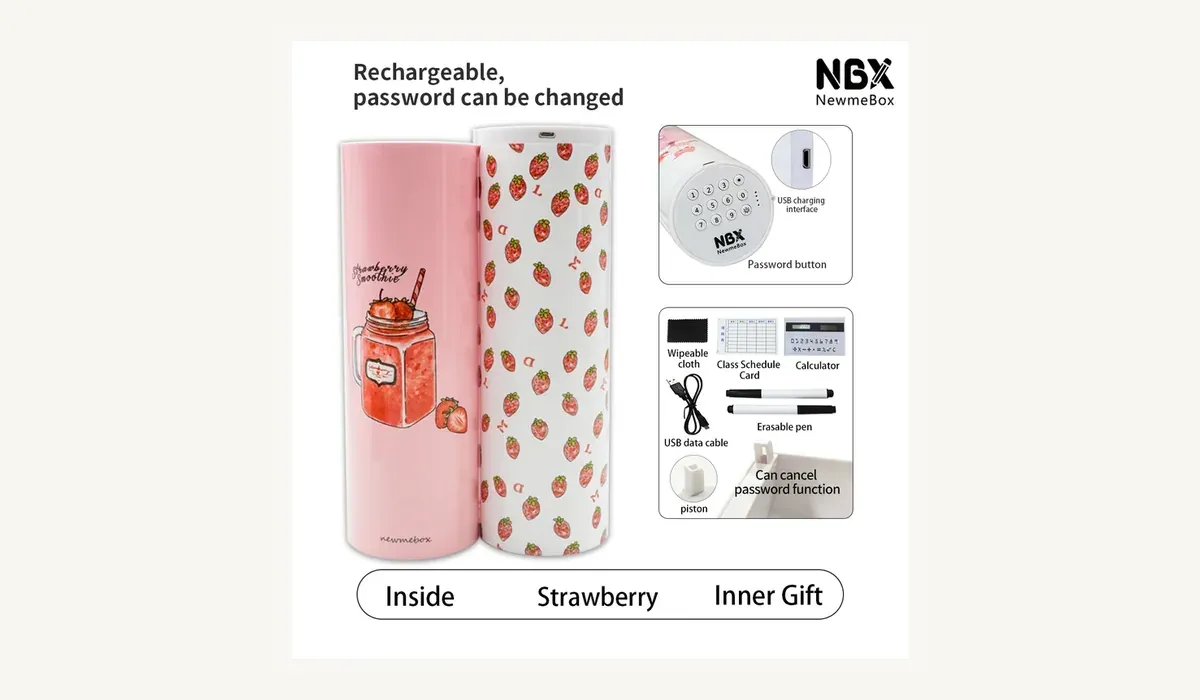
Creative stationery often combines several functions in a compact form. A pencil case may include a calculator, magnetic closure, mirror, timetable, storage tray or book stand. Each feature should be tested separately and then tested again as part of the complete product.
Open and close moving parts repeatedly. Press buttons from different angles. Load the storage area with the items a customer is likely to use. Check whether accessories remain secure after normal transport. Functional testing is more valuable than a quick visual check because it reflects what the end user will actually experience.
REVIEW PRINTING AND BRANDING UNDER REAL CONDITIONS
For private-label and promotional projects, the logo is part of the product’s perceived quality. Confirm its size, position, colour and application method on the approved sample. Then check production pieces for alignment, clarity and consistency.
Printed and decorated surfaces should also be reviewed for rubbing, light handling and contact with packaging. Barcodes, warning text, product names and carton marks must match the final purchase order. A technically good product can still create retail problems when its label or packaging information is wrong.
CONTROL CONSISTENCY DURING PRODUCTION
Final inspection alone cannot correct every problem efficiently. In-process checks help identify variations before an entire order is completed. The supplier should compare early production pieces with the approved sample, review critical assembly steps and isolate any non-conforming parts.
For custom stationery, buyers can request progress photos, confirm production milestones and agree on the points that require special attention. This is especially useful for new moulds, new functions, complex printing or packaging that has not been produced before.
COMPLETE A FINAL INSPECTION BEFORE SHIPMENT
The final inspection should use an agreed sampling plan and cover appearance, dimensions, function, branding, quantity, accessories, inner packing and export cartons. Samples should be selected from different cartons rather than from one convenient stack.
Inspectors should record what they checked and how many defects were found. If a result is outside the agreed standard, the buyer and supplier can decide whether rework, replacement or another inspection is needed before release. The goal is not simply to “pass” an order, but to make the shipment predictable.
TREAT PACKAGING AS PART OF PRODUCT QUALITY
Packaging protects the product, communicates the brand and affects how efficiently a retailer can receive and display the order. Confirm that the product fits securely, printed inserts are correct and retail packs remain clean after handling. For products with mirrors, electronics or delicate decorative parts, internal protection may need extra attention.
Master cartons should be suitable for the shipment method and clearly marked. Carton quantity, dimensions and weight should match the packing list so the importer can plan freight, warehousing and distribution accurately.
QUESTIONS TO ASK A STATIONERY SUPPLIER
Before confirming an order, ask who is responsible for product development and quality decisions, how samples are documented, which steps are inspected during production, how functional features are tested, what evidence can be shared before shipment and how non-conforming products are handled. Clear answers reveal more than a low quotation alone.
HOW AURA CRAFT WORLD AND NBX SUPPORT BUYERS
Dongguan Xingbo Stationery Co., Ltd. was established in 2018 as an integrated factory and trading company focused on creative and functional student stationery. NBX products are supported by more than 100 patents, OEM and ODM development, custom branding, packaging and bulk supply capabilities.
Aura Craft World brings this product and manufacturing foundation to international buyers with a clearer focus on creative design, practical value and dependable cooperation. We work with importers, distributors, retailers and gift companies that need products with a reason to exist—not just another item in a catalogue.
FINAL TAKEAWAY
Good custom stationery quality control is a connected process: define the standard, approve the right sample, check materials and functions, monitor production, inspect the finished order and verify the packaging. When these steps are agreed early, buyers reduce avoidable risk and suppliers can execute more efficiently.
If you are planning a custom pencil case, writing tool or student stationery project, share your target market, estimated quantity, required functions, branding needs and timeline with Aura Craft World. Our team can recommend a suitable OEM or ODM path and prepare the next step for sampling.