Aug 29, 2026Buying Guides
Why Custom Stationery MOQs Change: A Buyer’s Planning Guide
Understand why custom stationery MOQs change with packaging, logos, colors and tooling, and prepare a clearer RFQ before requesting samples.
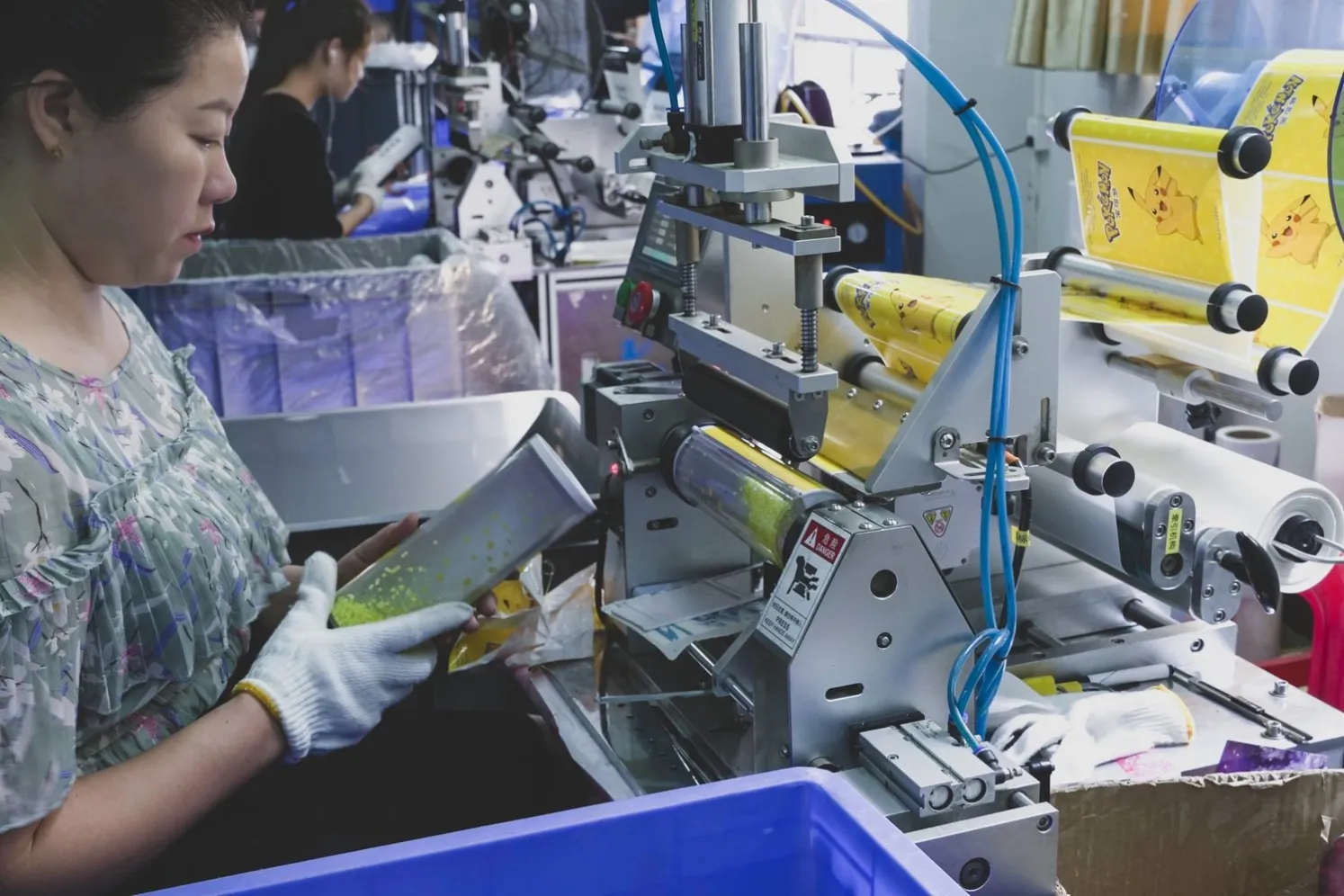
A buyer asks for a pencil case with a branded box and receives one minimum order quantity. A week later, the team adds a woven label, a custom fabric pattern and a new frame color—and the MOQ rises several times. From the buyer’s desk, it can look as if the supplier has changed the rules.
Usually, the product name is the same but the production job is not.
This matters when you are testing a private-label line. An MOQ belongs to an exact configuration: product model, color, artwork, logo method, packaging and any component made specifically for the order.
Here is a practical way to choose the right customization depth before you request a quotation or approve a sample.
Start with the customization ladder
The safest first question is not “What is your MOQ?” It is “Which parts of this product do I actually need to change?”
For many stationery projects, the options form a ladder:
- Existing product with standard presentation. You validate function and market fit with the fewest new production variables.
- Custom packaging only. The product remains standard while the box, sleeve or label carries the buyer’s brand.
- Packaging plus product branding. A logo, woven label, shipping mark or other brand element is added to the product.
- Custom color or printed pattern. Fabric, plastic or printed surfaces need a dedicated color or artwork run.
- Component, structure or character changes. A different frame color, molded part or custom figure may require dedicated component production or tooling.
Each step can introduce a setup, material batch, printing process or quality checkpoint. The base product may look familiar, but the production commitment has changed.
A real NBX pencil-case example
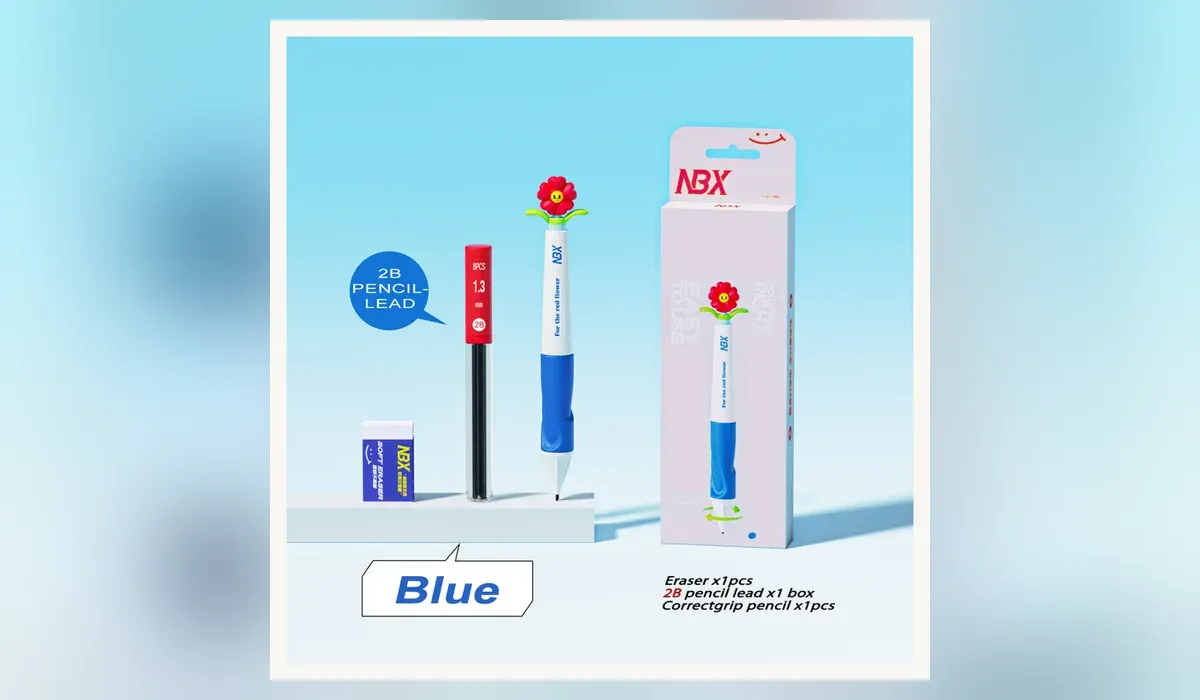
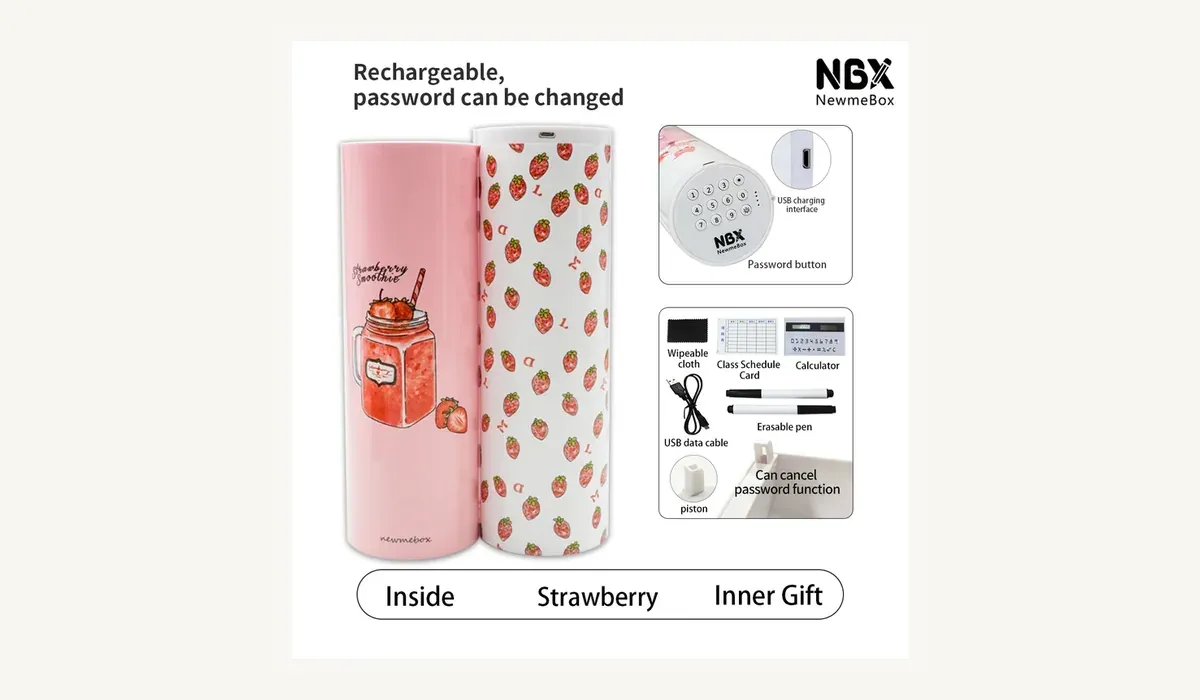
The current NBX customization brief provides a useful model-specific example. For both the Gear Pudding Pencil Case and the Wide-Opening Pudding Pencil Case, the listed customization scope includes the packaging box, logo or label, fabric color or pattern, and plastic-frame color.
For these two models, the brief lists:
- 500 units for packaging only;
- 1,000 units for packaging plus logo or label;
- 3,000 units for a custom fabric color or pattern;
- 5,000 units for a custom plastic-frame color.
These are examples for the named products in the current NBX material—not a universal MOQ promise. They show that deeper product changes require more production to be committed to one version.
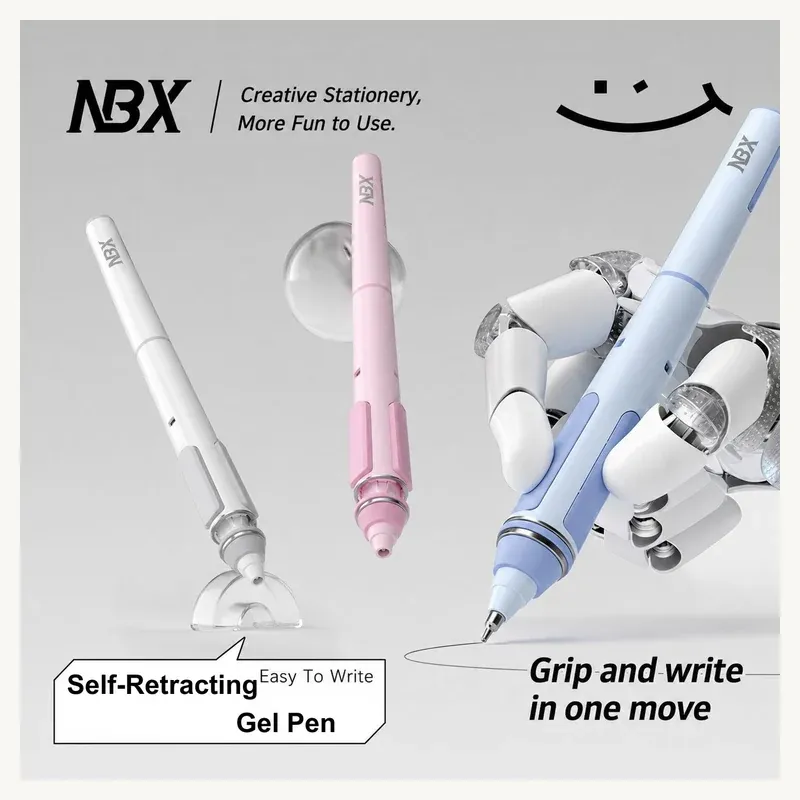
Different products can have different thresholds. For the Open-Core Pocket Pen, the same brief lists 1,000 units for packaging only, 3,000 for packaging plus logo, and 5,000 for a printed pattern or custom figure. Ask for the MOQ of the exact model and customization combination, rather than applying one number to an entire catalogue.
Why deeper customization needs a larger commitment
The reasons below are general procurement logic. The exact process and cost should still be confirmed for each model.
Printing and packaging have their own setup
A printed box, label or insert is produced separately from the stationery item. Plate preparation, color matching, cutting and finishing can all create minimum production requirements. If you need several language versions or barcodes, clarify whether the quantity is per artwork version or can be combined.
Custom materials must be controlled as a batch
A new fabric color or printed pattern is not simply selected on a screen. Material must be sourced or produced, approved and kept consistent across the order. A very small run may make that batch inefficient—or make color consistency harder to control.
Components can create a second MOQ
A plastic frame, buckle, decorative figure or other part may have its own production minimum. When a finished item contains several customized components, the practical MOQ is often determined by the component with the highest commitment.
Tooling changes the risk
If a request needs a new molded element rather than an existing component, the project may add tooling cost, sample iterations and extra approval time. That is a different development project from printing a logo on an established model.
Choose a lower-risk first order
When the product is new to your market, more customization is not automatically better. A retailer may learn more from a well-selected standard product in a strong branded package than from an expensive structural change launched without sales evidence.
Use this decision sequence:
- Define what the customer will notice. Is the buying reason the product function, the visual theme, the gift presentation or a proprietary structure?
- Protect the non-negotiables. Fix safety, function, target price, market language and barcode requirements first.
- Select the shallowest customization that creates the intended value. Packaging and a label may be enough for a market test.
- Approve one configuration. Do not request a sample for one version and place the bulk order for another without a new confirmation.
- Plan the next step. If sell-through is proven, move from packaging to product color, artwork or deeper development in a later order.
The goal is to spend customization budget where buyers can see and value it.
Red flags in an MOQ quotation
Pause and ask for clarification if:
- one MOQ is given without naming the product model, color count, logo method and packaging;
- packaging artwork, barcode or language versions are not included in the specification;
- a supplier treats a stock sample as proof of an untested custom material or component;
- tooling, printing setup or packaging costs are unclear;
- the bulk order changes after sample approval but no revised sample or written confirmation is offered;
- a very low minimum is promised for a deep structural change without explaining how it will be produced.
A reliable quotation makes its assumptions visible. A low number is not useful if it describes the wrong product.
RFQ checklist: send this before asking for samples
Include the following in your first request:
- product name, model number or a clear reference image;
- target quantity and expected reorder quantity;
- destination market and sales channel;
- required colors and number of artwork versions;
- logo position, size and preferred application method;
- packaging type, barcode, language and any retail-label requirements;
- parts that must remain standard and parts that must be customized;
- target sample date and required bulk-delivery window;
- tests, inspections or market requirements that must be confirmed.
If the packaging is still undecided, read our custom stationery packaging guide. For a broader view of development responsibilities, see OEM and ODM creative stationery with NBX.
Ask for the MOQ of your configuration—not just your product
Aura Craft World works with NBX and Dongguan Xingbo Stationery Co., Ltd. in Dongguan to help buyers translate an idea into a quote-ready specification. The useful first step is not a vague request for “the lowest MOQ.” It is a clear description of the version you need.
Send us the product or reference image, target quantity, destination market, customization scope, packaging needs and timeline through our request page. We can then confirm which elements can use an existing route, which require a dedicated run, the model-specific MOQ to quote, and what the sample should prove before bulk production.