Aug 26, 2026Buying Guides
Custom Stationery Packaging: A Practical Guide for Importers
Plan custom stationery packaging for retail and bulk orders, from artwork and product protection to barcodes, carton details and final inspection.
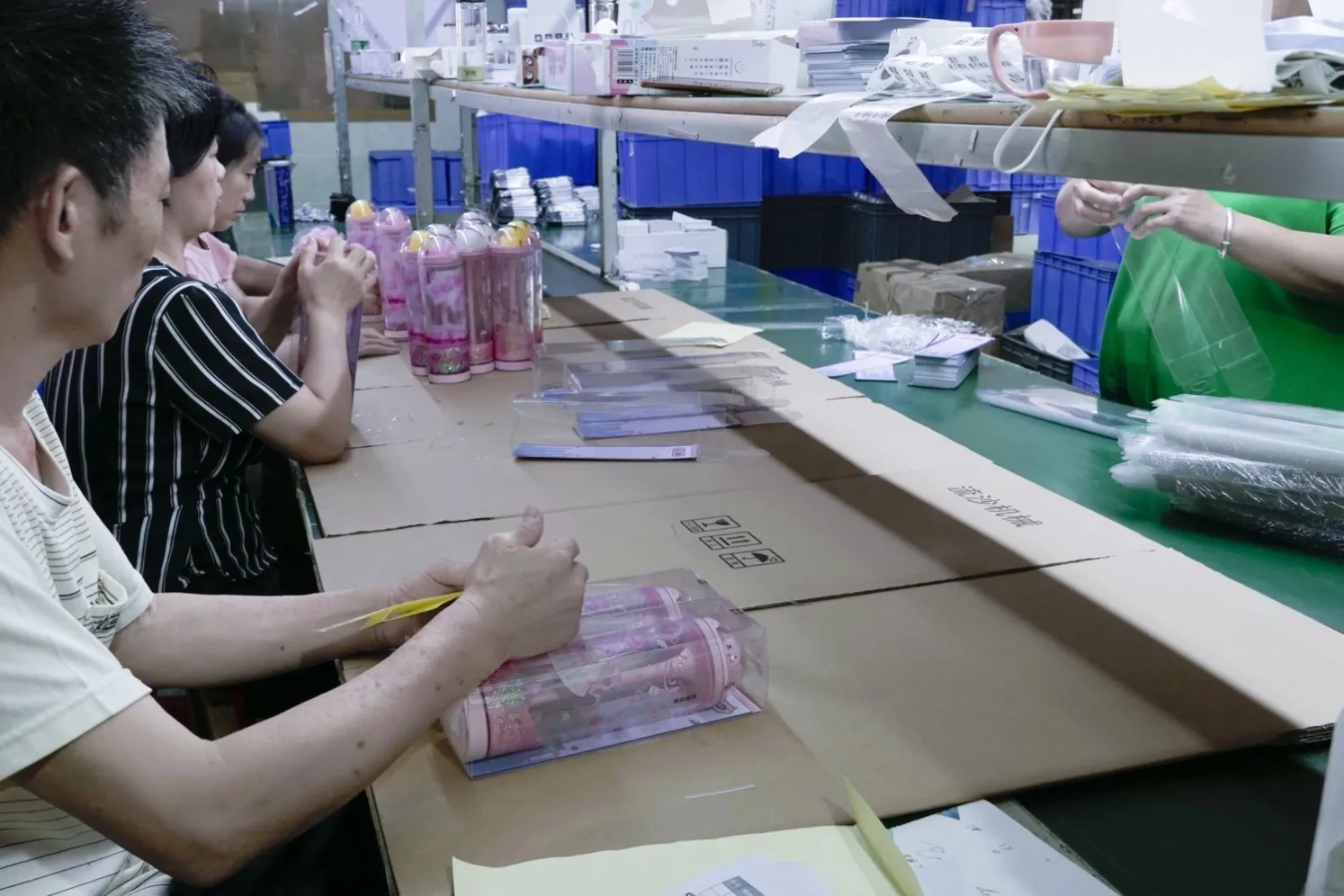
Packaging is often treated as the final design task in a stationery project. For importers, distributors and promotional-gift companies, it should be discussed much earlier. A good package does more than display a logo: it protects the product, communicates value on the shelf, supports warehouse handling and gives the inspection team a clear standard to check.
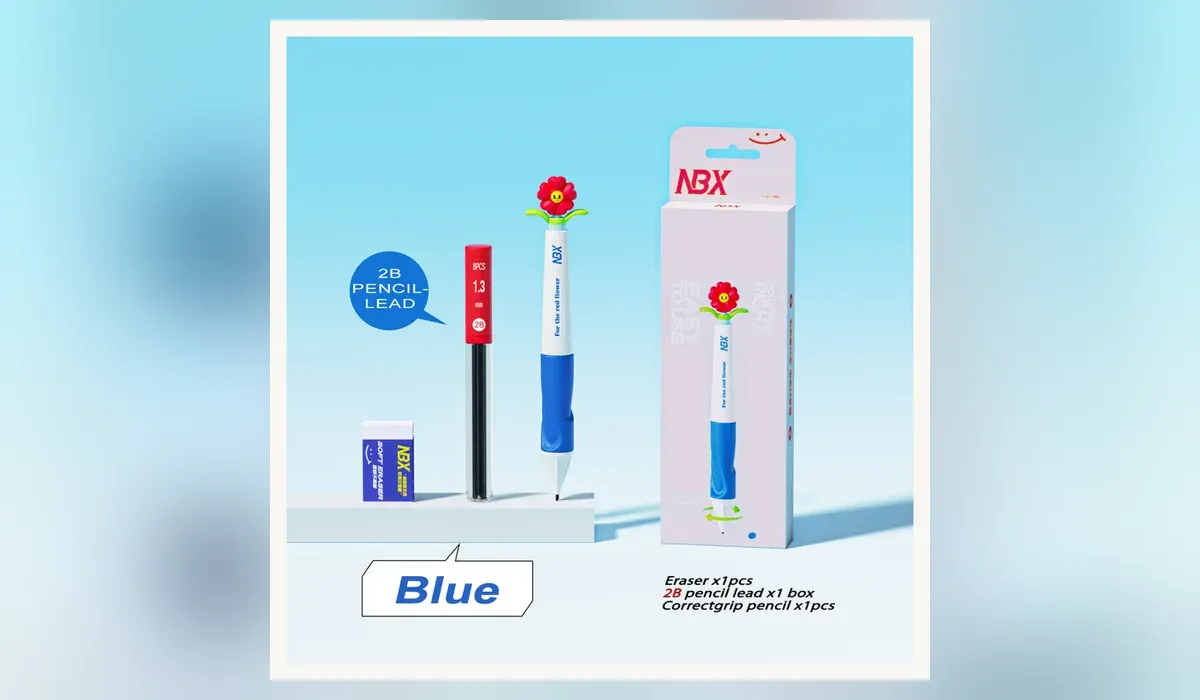
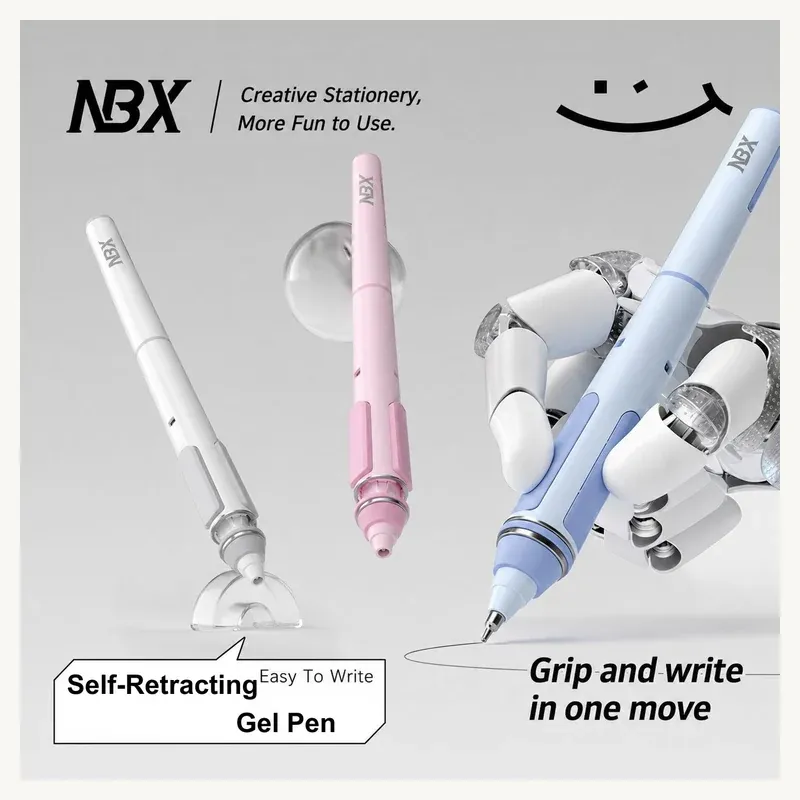
At Aura Craft World, we work with the NBX stationery range from Dongguan Xingbo Stationery Co., Ltd. The company was established in 2018 in Dongguan, China, and integrates product development, manufacturing and trading support. Its focus is creative and functional student stationery, supported by an intellectual-property portfolio of more than 100 patents. Our customization material confirms that options can include the packaging box, logo, label, fabric color or pattern, plastic-frame color and product color, depending on the model.
The important phrase is "depending on the model." Packaging feasibility, minimum order quantity and unit cost should be confirmed for the exact product rather than copied from another quotation. The following process helps buyers prepare a clearer request and reduce avoidable changes.
1. Start with the sales channel, not the box shape
Before asking for a packaging quotation, define where the product will be sold. A school-supply distributor may value compact dimensions, clear item identification and efficient master cartons. A gift company may need stronger brand presentation and a visible area for a campaign message. An online retailer may prioritize product protection and a clean unboxing experience.
Tell the supplier whether the order is intended for retail shelves, e-commerce fulfilment, promotional distribution, school programmes or a mixed channel. Also identify the destination markets and languages required on the package. This context helps the team recommend a practical format instead of decorating a box that does not fit the actual route to market.
2. Separate the three levels of packaging
A complete specification usually covers three levels:
Product or inner packaging holds the individual item. It may carry the brand, product name, colour reference, barcode and user information.
Inner carton or display packaging groups several units. It can support retail display, picking and inventory control.
Master carton protects the shipment and identifies the contents during warehousing and transport. Its markings should match the purchase order and packing list.
Ask for each level to be shown in the quotation. Two prices can look similar while including different packaging scopes. A written breakdown makes the comparison more meaningful.
3. Build one controlled artwork pack
Artwork delays often come from scattered files and conflicting instructions. Prepare one controlled pack containing the approved logo, colour references, typography, copy, barcode files and layout notes. Vector logo files are preferable for clean reproduction, while product photographs should be supplied at sufficient resolution for the intended print size.
Give every revision a clear version number and approval date. Confirm which file is final in writing. If a special colour is important, discuss how it will be evaluated on a physical sample; colours viewed on different screens are not a reliable production standard.
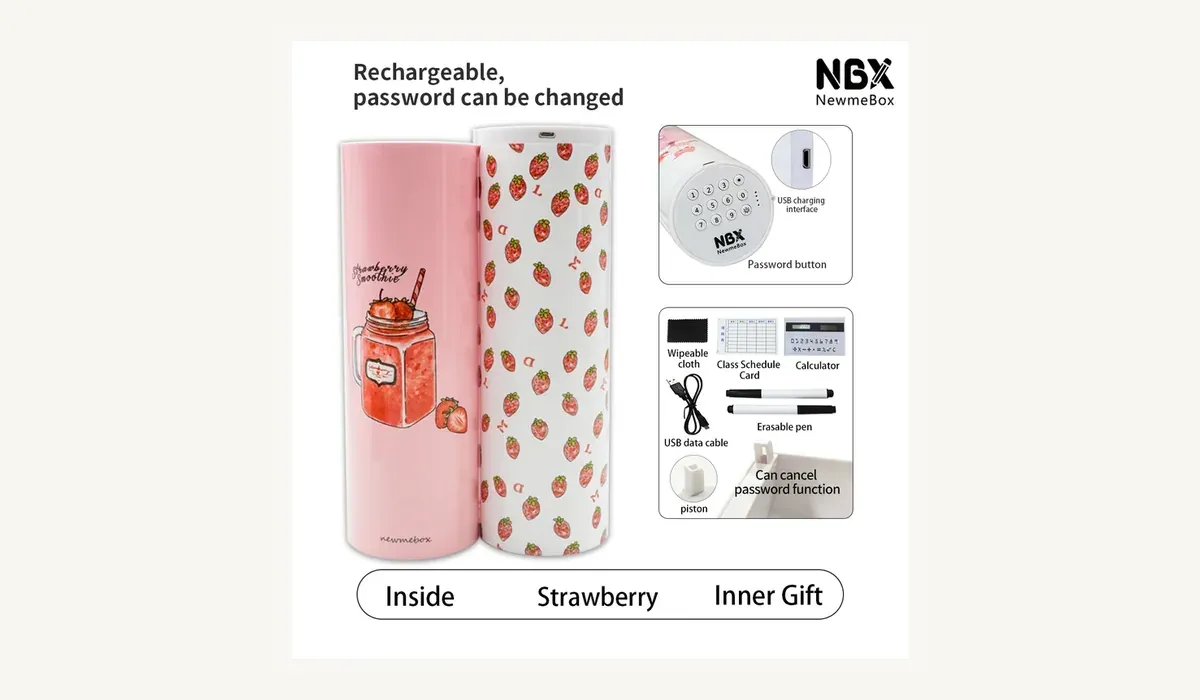
For the NBX range, customization can extend beyond the box to elements such as labels, fabric patterns, stickers or product colours. Treat every customised surface as a separate artwork item, and show its position and scale. This is especially useful for multifunctional pencil cases, where several visible surfaces may be available.
4. Confirm protection before presentation
Creative stationery can contain moving parts, magnetic closures, calculators, mirrors, metal elements or decorative surfaces. A visually elegant package still fails if the product is scratched, pressed or able to move excessively inside it.
Ask the supplier to explain how the proposed inner structure supports the product. Review contact points, exposed corners, surface protection and movement within the box. For sets, check that each component has a defined position and can survive normal handling without mixing or rubbing.
The packaging sample should be reviewed with the actual product inside. This reveals fit problems that a flat artwork proof cannot show.
5. Put variable commercial information in the right place
Some information is stable, such as the brand identity and core product name. Other details may vary by colour, language, customer or sales market. Identify the variable information early and decide whether it belongs on the printed box, a label or another controlled element.
Typical buyer-supplied data can include SKU, barcode, colour name, importer details, country-specific copy and carton marks. Requirements differ by destination and channel, so the buyer should provide the applicable text and have it reviewed by the responsible compliance party before approval. The factory can follow an approved specification, but it should not be asked to guess market-specific wording.
6. Match customization depth to order quantity
Not every order needs fully bespoke packaging. The NBX customization presentation shows that packaging-only, packaging-plus-logo, colour or pattern changes can have different minimum quantities, and the figures also vary by product. This creates several possible routes:
- Use an existing product with a customised box or label for a more accessible first order.
- Add branded elements when the forecast supports the relevant quantity.
- Develop custom colours, patterns or components for larger programmes that justify deeper production changes.
Instead of asking only, "What is your MOQ?", send the exact model, target quantity and desired changes. We can then confirm the applicable MOQ and cost for that configuration.
7. Approve a sample and define inspection points
Before mass production, approve a representative packaging sample or pre-production sample. Record what is being approved: dimensions, materials, print content, logo position, colour reference, barcode readability, product fit and included accessories.
Convert the approval into an inspection checklist. During final inspection, the team can compare packed units against the approved sample and purchase specification. Useful checks include correct item and colour, clean printing, secure product placement, complete accessories, consistent labels, readable carton marks and the agreed quantity per carton.
8. Send a packaging-ready RFQ
A useful request for quotation should include:
- Product model or reference image
- Order quantity and expected repeat volume
- Destination market and sales channel
- Required packaging levels
- Logo and artwork files
- Language, barcode and label information
- Desired custom colours, patterns or components
- Target delivery timing
- Sample and inspection expectations
If some details are still undecided, identify them clearly. Early transparency is more efficient than requesting a fixed price based on assumptions.
Turn packaging into a controlled part of sourcing
Custom packaging works best when design, protection, commercial information and inspection are planned together. Aura Craft World helps buyers translate a market idea into a clear sourcing brief, while NBX and Dongguan Xingbo Stationery support model-specific OEM and ODM evaluation in Dongguan.
You can also review our overview of the OEM and ODM stationery process. To discuss a branded retail line, school programme or promotional project, send us your product, quantity and packaging requirements. We will confirm suitable options, model-specific minimums and the next sampling step.